When I moved out of my East Sixth apartment, my landlord walked through with a clipboard checking things while I stood there holding a box of kitchen stuff, not really sure what she was looking for or what counted as a problem. I got most of my deposit back but not all of it, and at the time I did not fully understand why. Looking back at it now, I understand the whole process a lot better, and I want to walk you through exactly what happens during one of these inspections so you are not standing there confused the way I was.
I want to start with the day I actually scheduled this. My lease ended at the end of 2025, and about a week before my move-out date, the property manager emailed me asking to set up a final walkthrough. I had never had one before, since my very first apartment with Jake just sort of ended without anyone formally checking anything in person.
I asked Sarah about it the day before, mostly out of nerves. She had been through a move-out inspection at her own place a year earlier and told me the short version. They walk through, they look for damage, they compare it to whatever notes or photos exist from when you moved in, and then they decide what they are keeping from your deposit and what they are giving back.
That sounded simple enough. It was not quite that simple once it actually happened.
What the Landlord Was Actually Looking For
The property manager arrived with a printed checklist, the same kind of form, I later learned, that had been filled out when I first moved in back in January 2024. She walked through every room comparing what she saw now to what was recorded then.
She checked the walls for holes beyond small nail marks. She checked the carpet for stains or burns. She opened the oven and checked inside it, which genuinely surprised me, I had not cleaned the oven specifically for this.
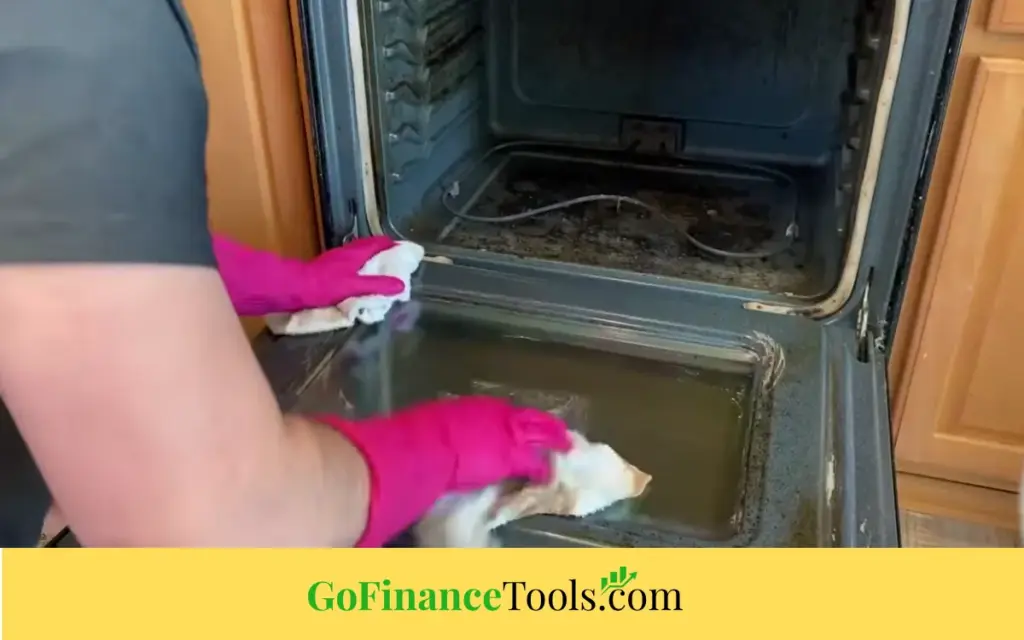
She ran the faucets. She flushed the toilet. She checked if the blinds were all still there and functioning. She opened every closet.
I stood there the whole time just watching her make small notes, not knowing if a note meant something bad or if she was just being thorough.
The Difference Between Normal Wear and Actual Damage Came Up Twice
There were two specific spots where this distinction actually mattered for me, and I want to walk through both because I think they explain the concept better than a general definition would.
The first was a small section of carpet near my desk that had flattened down slightly over almost two years of my desk chair rolling back and forth in the same spot. She looked at it, said that was normal wear from regular use, and moved on without writing anything down.
The second was a scuff mark on the wall near where I had moved a bookshelf at some point.
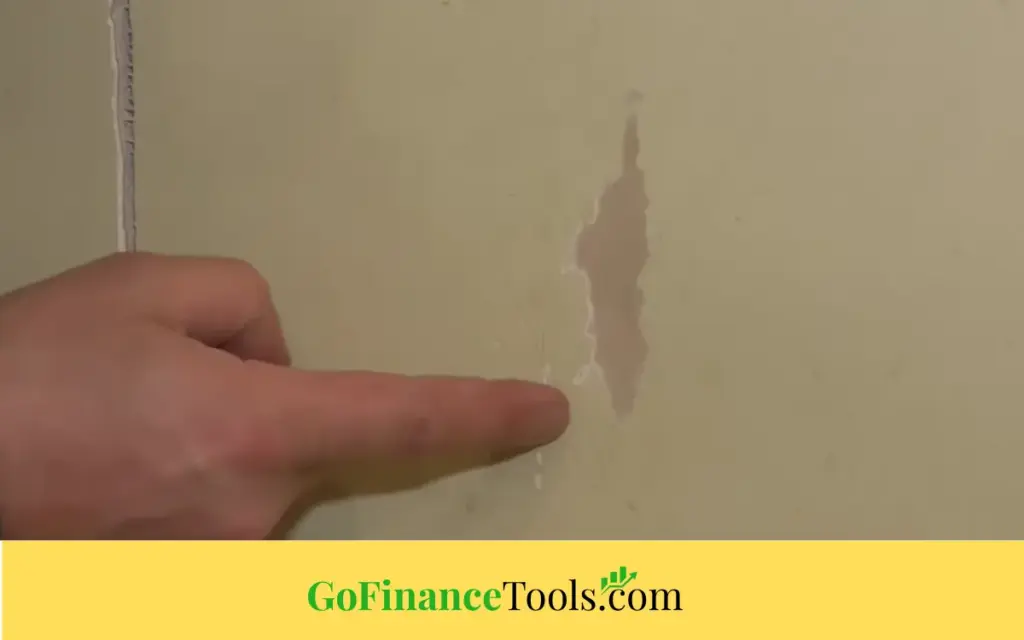
This one she did write down. Not because it was big, it was honestly pretty small, but because it was a mark caused by an object hitting the wall rather than just general fading or use over time. That distinction, caused by an object versus caused by simply existing in the space, seemed to be the actual line she was using throughout the whole walkthrough.
What She Actually Deducted From My Deposit
My deposit was $1,380, the full month’s rent, since I had decent credit by the time I signed that lease and did not get the new-tenant surcharge I had paid years earlier on my very first apartment.
She deducted $45 for that wall scuff, which covered a small touch-up paint job. She deducted $30 for what she called a deep clean fee on the oven, since apparently regular cleaning is expected but she felt the oven needed more than that. She deducted nothing for the carpet, since she had already called that normal wear.
So $1,380 minus $45 minus $30 left me with $1,305 coming back to me.
Wait, let me actually check that subtraction, since I want to get this right. $1,380 minus $45 is $1,335. Then $1,335 minus $30 is $1,305. Okay, that matches what I actually remember seeing on the final statement, so that’s correct.
| Item | Deduction |
|---|---|
| Wall scuff touch-up | $45 |
| Oven deep clean | $30 |
| Carpet wear | $0, called normal |
| Total deducted | $75 |
| Returned to me | $1,305 |
I was not thrilled about losing $75, especially the oven charge, which felt a little aggressive to me personally, but it was small enough that I did not feel like fighting over it was worth my time or energy.
Why Having Move In Photos Mattered Here
I had sent move-in photos to the landlord back in January 2024, the same habit I had picked up after my very first apartment experience where I had not done this properly. Those photos showed the apartment before I had moved anything in.
When the property manager mentioned the wall scuff, I actually pulled up my photos on my phone right there during the walkthrough, mostly just out of curiosity rather than to argue, and confirmed that specific wall had been blank and undamaged when I moved in. That confirmed the scuff happened during my time there, which honestly made me feel slightly better about accepting the charge, since at least I knew it was accurate rather than something pre-existing being blamed on me unfairly.
If I had not had those photos, I would not have known either way. I would have just had to trust her word, which is not a great position to be in when money is on the line.
What I Would Do Differently Before My Next Move Out
Sarah told me something afterward that I wish I had known going in. She said you can ask to be present for the entire inspection and take your own notes or photos during it, not just rely on what the landlord writes down. I did stay present the whole time, which helped, but I did not take my own photos during the actual walkthrough itself, only relying on my older move-in photos.
Next time, I want to photograph everything again right at the end of the walkthrough, the same day, showing the exact condition the landlord is basing their decision on. That way if there is ever a dispute about a deduction, I have my own timestamped record of the final condition, not just my memory of what the property manager pointed at with her clipboard.
FAQ
What does a landlord check during a move-out inspection?
They typically check walls for holes or marks, carpet for stains or burns, appliances for cleanliness, and that fixtures like blinds and faucets are still working properly. They are comparing the current condition of the apartment to whatever records exist from when you moved in.
What counts as normal wear versus damage I have to pay for?
Normal wear usually means things that happen just from living somewhere over time, like slightly flattened carpet from foot traffic. Damage usually means something caused by a specific object or action, like a scuff from furniture hitting a wall or a stain from something spilled and not cleaned. Landlords are not supposed to charge you for normal wear.
Can I be present during my own move-out inspection?
Yes, you can usually ask to be there, and it is worth doing. Being present lets you see exactly what they are noting and ask questions in the moment, rather than only finding out the results later on a final statement with no context.
Should I take photos during the move-out inspection itself, not just when I moved in?
Yes, this is a good habit even if you already have move-in photos. Photos taken the same day as the inspection give you your own timestamped record of the final condition, which can help if you ever need to dispute a specific deduction later.
How much can a landlord deduct from my deposit for cleaning?
There is no fixed number, it depends on the actual condition and what needs to be done. In my case it was $30 for an oven that needed more than basic cleaning. Always ask for an itemized explanation of any cleaning charge so you understand specifically what it covered.
What should I do if I disagree with a deduction from my deposit?
Ask for an itemized written explanation if you have not already received one, since landlords are required to provide this within 30 days in Texas. If you have your own move-in or move-out photos that contradict their claim, those can support your case if you decide to push back on a specific charge.